
CONCRETE DRIVEWAYS
New driveways, driveway replacements and exposed aggregate driveways across Townsville.
What Makes a Good Concrete Driveway?
A concrete driveway should do more than simply provide somewhere to park your car. The best driveways are easy to use every day, suit the way your household lives and continue performing well for many years with minimal maintenance.
When planning a new driveway, it's worth thinking beyond the distance between the street and your garage. How many vehicles need to fit comfortably? Will visitors have somewhere to park? Is there enough room to reverse safely? Are you likely to own a caravan, boat or trailer in the future? These practical considerations often have a greater influence on long-term satisfaction than the choice of concrete finish.
For homeowners replacing an older driveway, a new project also provides the opportunity to improve the overall layout of the front yard. Widening vehicle access, creating additional parking or improving drainage can all make the property easier to use without increasing the size of the block.
If you're still comparing options, visit our Home page for an overview of our concreting services. Homeowners interested in premium finishes can also explore our Decorative Concrete page, while projects involving new garages or sheds may benefit from our Concrete Slabs service.
Planning a Driveway That Works for Your Property
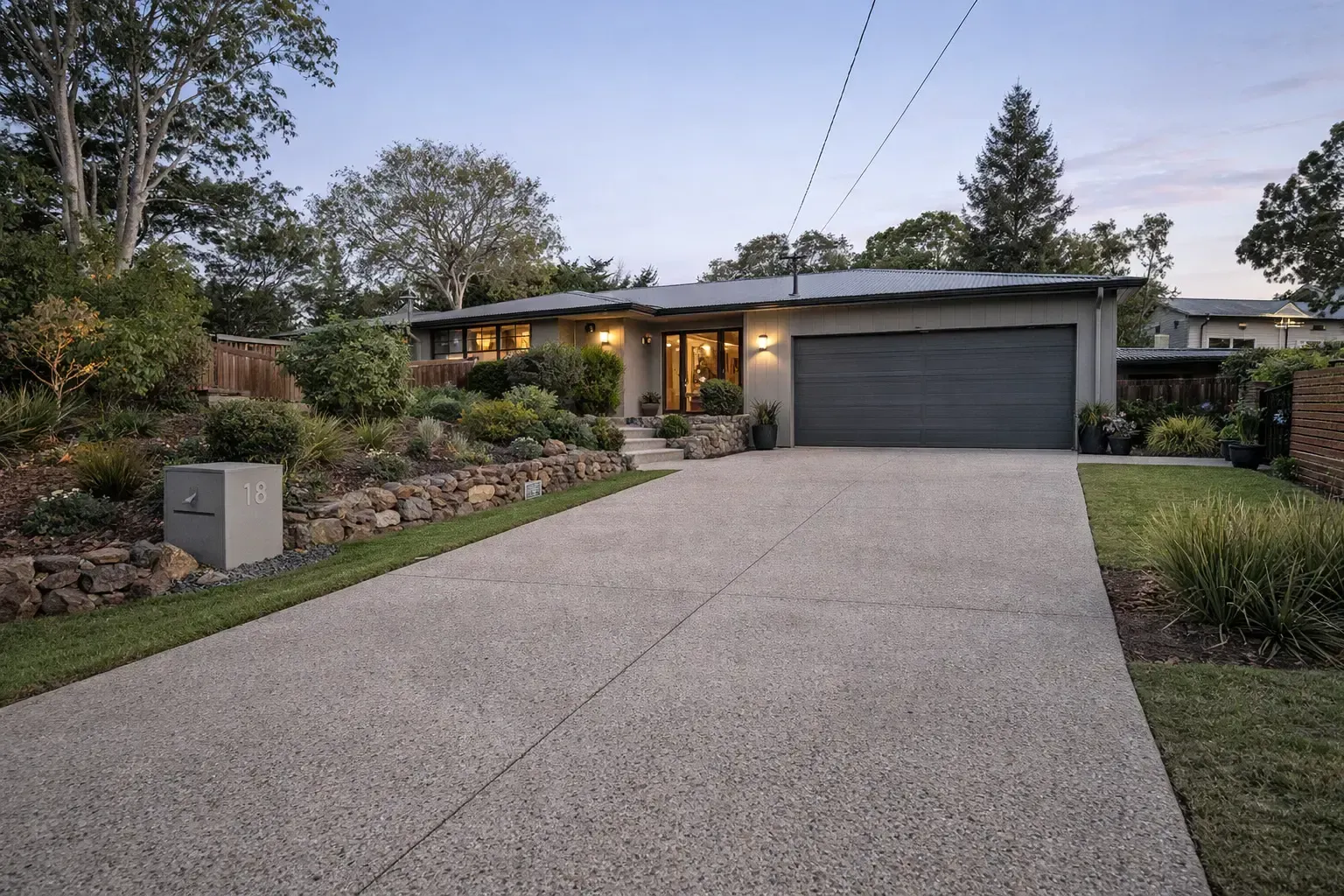
Every property is different, which is why the best driveway isn't always the biggest one. A practical design considers how vehicles move around the property, where people enter the home and how the available space can be used most efficiently.
If pedestrian access also forms part of your project, our Concrete Paths page explores practical pathway layouts that complement a new driveway without compromising usable outdoor space.
Single Vehicle Driveways
A single-width driveway remains an excellent solution for narrower blocks and homes where space is limited. Keeping the layout straightforward often leaves more room for landscaping while still providing comfortable vehicle access.
Where possible, it's also worth allowing enough room for a separate Concrete Path so family members and visitors don't need to walk where vehicles regularly travel.
Double Width Driveways
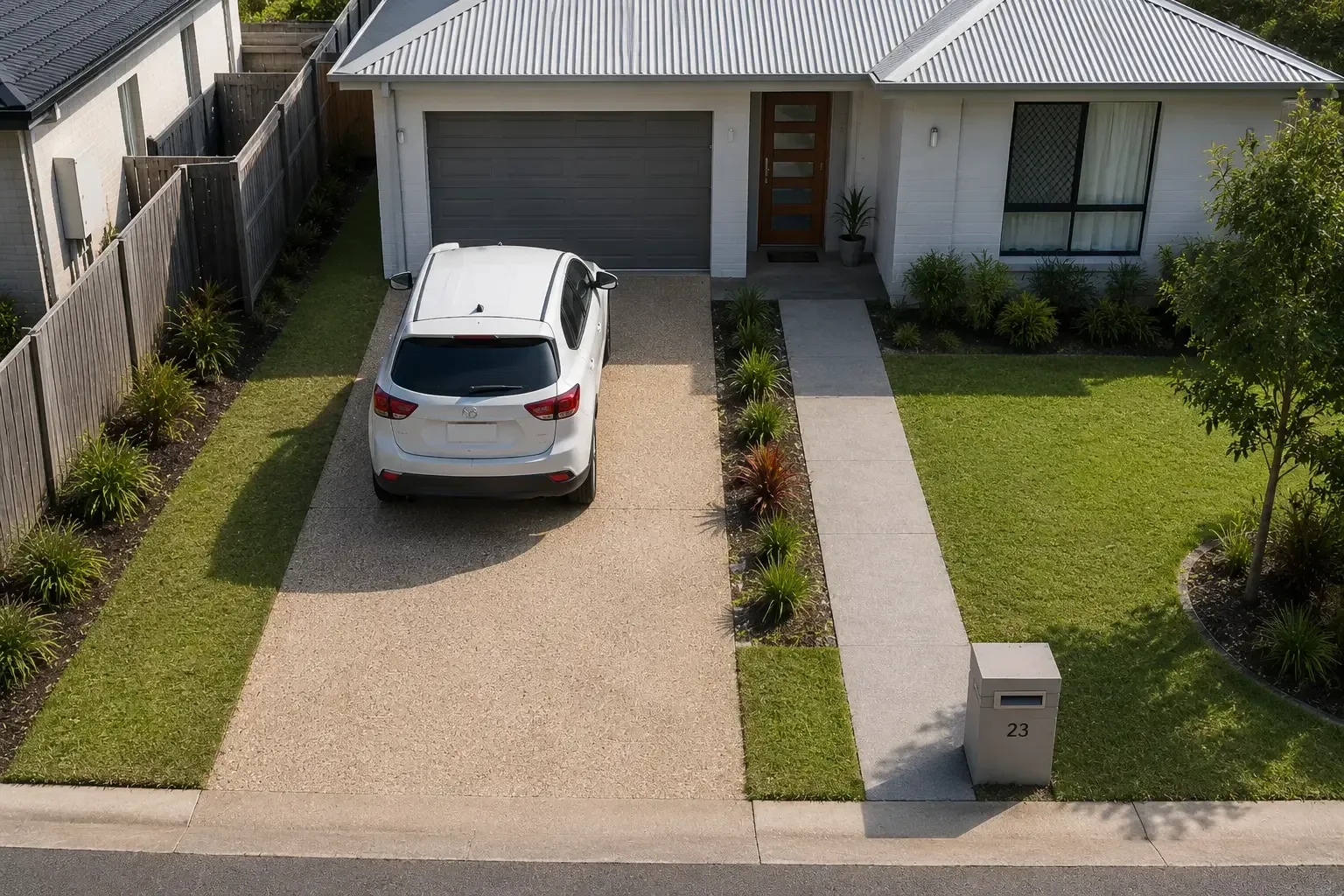
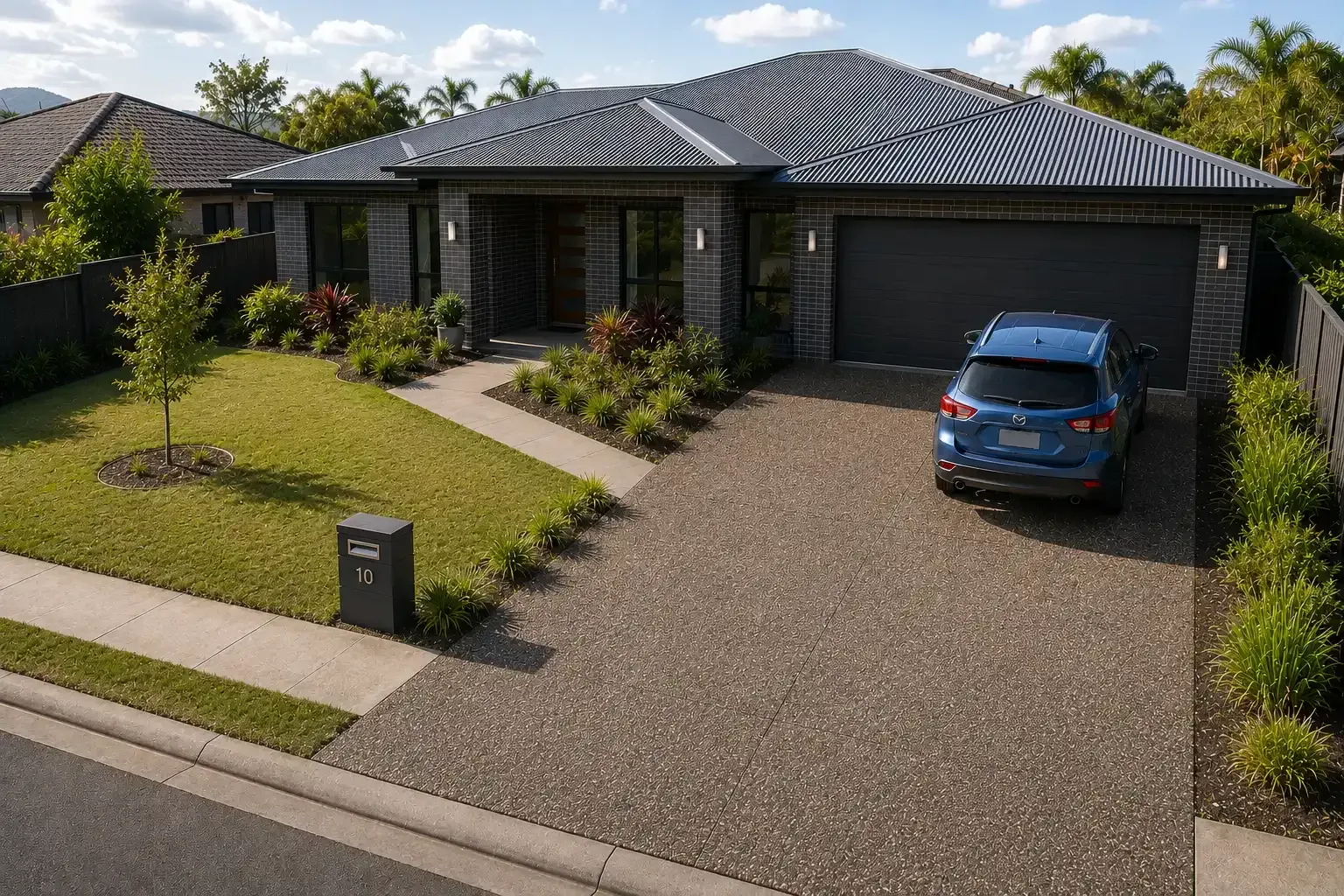
Modern households commonly own two vehicles, making wider driveways increasingly popular throughout newer Townsville estates.
A double driveway allows vehicles to park independently, reduces the need to move cars around and creates a more convenient everyday parking arrangement.
Extra width near the garage or street can also improve manoeuvrability without significantly increasing the overall size of the driveway.
Side Apron or Turnaround
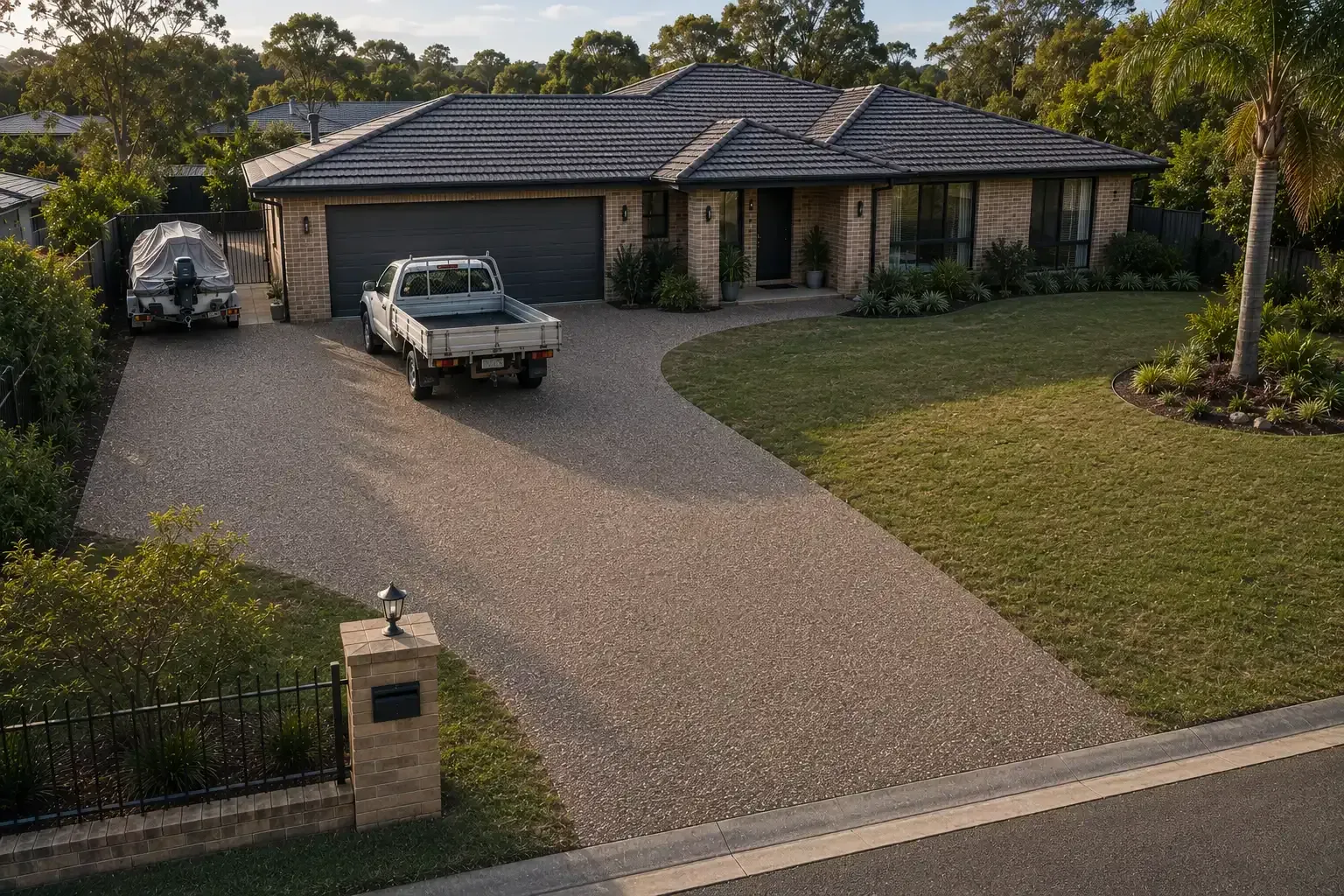
If your household includes a caravan, trailer, boat or work ute, planning dedicated parking space from the beginning is often far easier than modifying the driveway later.
A turning area or wider apron can also reduce reversing onto busy streets while making larger vehicles much easier to manoeuvre.
When Is It Better to Replace Rather Than Repair?
Concrete is an extremely durable material, but every driveway eventually reaches a point where replacement becomes the more practical option.
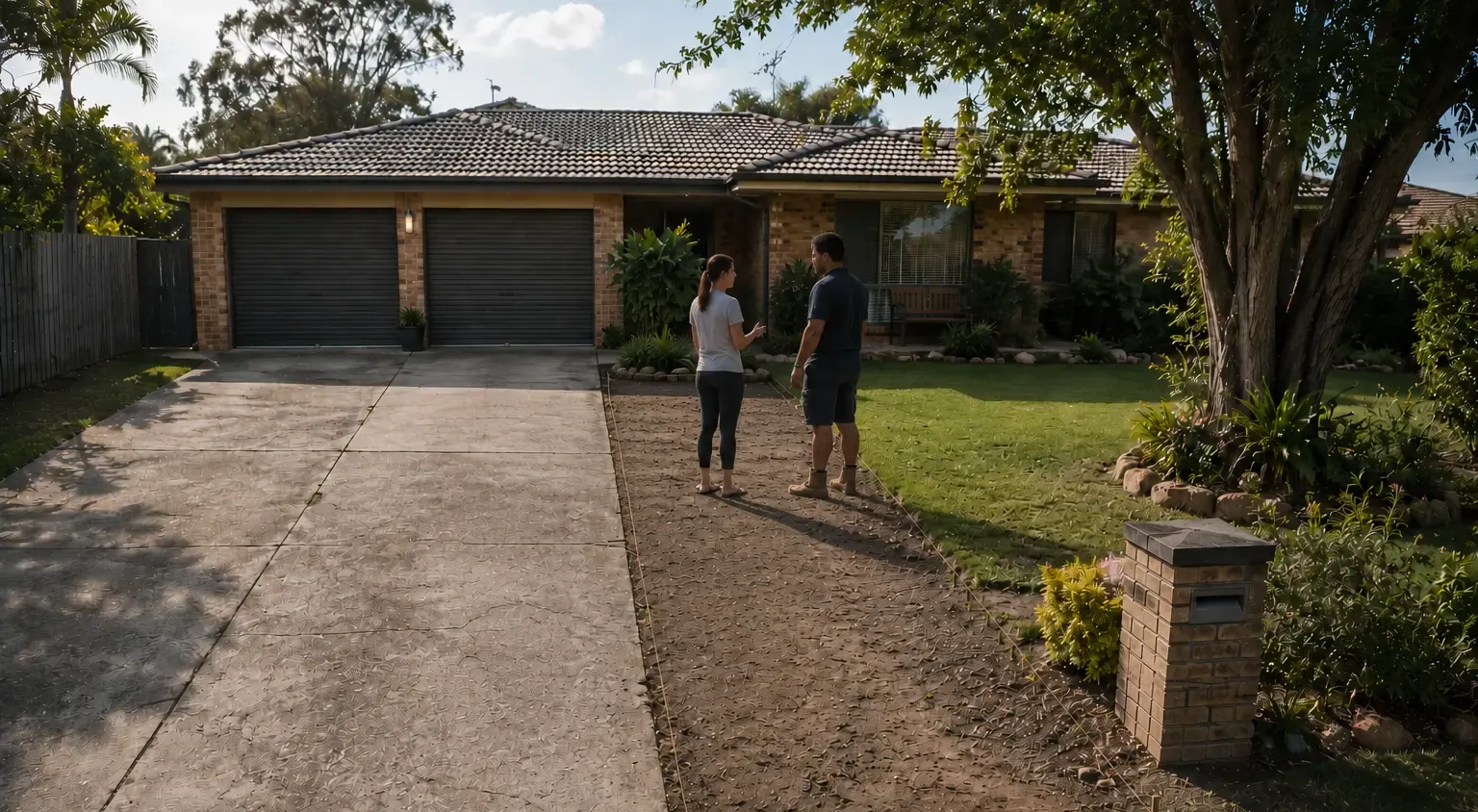
Small surface marks or isolated hairline cracks are usually cosmetic and don't necessarily indicate major structural problems. However, widespread cracking, sinking sections, poor drainage or uneven surfaces often suggest that the underlying foundation has deteriorated.
Repeated repairs may temporarily improve the appearance, but they rarely address the cause of the problem.
Replacing a driveway also provides opportunities that repairs simply can't achieve. Many homeowners choose to widen older driveways, improve parking, remove trip hazards or upgrade to exposed aggregate concrete as part of the same project.
Rather than viewing replacement as simply pouring new concrete, it's an opportunity to redesign the way your property functions for years to come.
Cracks & Surface Deterioration
Small surface cracks can be common over time, but widespread cracking, lifting or deterioration may indicate that the driveway has reached the end of its useful life.
Pooling Water & Drainage Issues
Water that regularly pools on the surface can create ongoing maintenance issues and may eventually contribute to surface damage. Replacing a driveway provides an opportunity to improve grading and water runoff.
Uneven or Settling Sections
Movement in the underlying ground can cause sections of a driveway to sink, lift or become uneven. This can affect both appearance and vehicle access.
Expanding Vehicle Access
Many homeowners choose to widen or redesign an existing driveway to accommodate additional vehicles, trailers, caravans or changing property layouts.
Improving Street Appeal
A new driveway is often one of the most noticeable improvements that can be made to the front of a property. Modern finishes such as exposed aggregate can significantly enhance the overall appearance of the home.
Getting the Levels Right Before the Concrete Is Poured
Getting the Levels Right Before the Concrete Is Poured
One of the most important parts of any driveway is something that most people never notice once the project is finished.
Correct levels.
Even a beautifully finished driveway can become frustrating if rainwater continually pools near the garage, runs back toward the house or leaves puddles that take days to disappear.
Before construction begins, several factors are normally considered:
- Existing ground levels
- Garage floor height
- Kerb and crossover levels
- Surface water flow
- Adjacent garden beds and landscaping
- Connection with existing paths and outdoor areas
Townsville's wet season makes these details particularly important. Heavy downpours can expose even small drainage problems, so planning the finished falls before the concrete is poured helps create a driveway that performs well throughout the year.
These considerations apply across Greater Townsville, regardless of whether the property is in an established suburb or a newer residential estate. You can also explore our Service Areas page to see the communities we assist throughout the region.
Building Driveways That Suit Townsville Conditions
Rather than applying the same design to every property, the most successful driveways are planned around how the space will actually be used. That approach creates better parking, safer vehicle movement and a driveway that's practical long after the concrete has cured.
Concrete driveways in Townsville need to cope with conditions that are quite different from down south.
Long dry periods are regularly interrupted by intense tropical rainfall, meaning a driveway needs to be designed for both everyday use and sudden heavy storms. Practical drainage, sensible joint placement and good base preparation all contribute to a driveway that continues performing well over time.
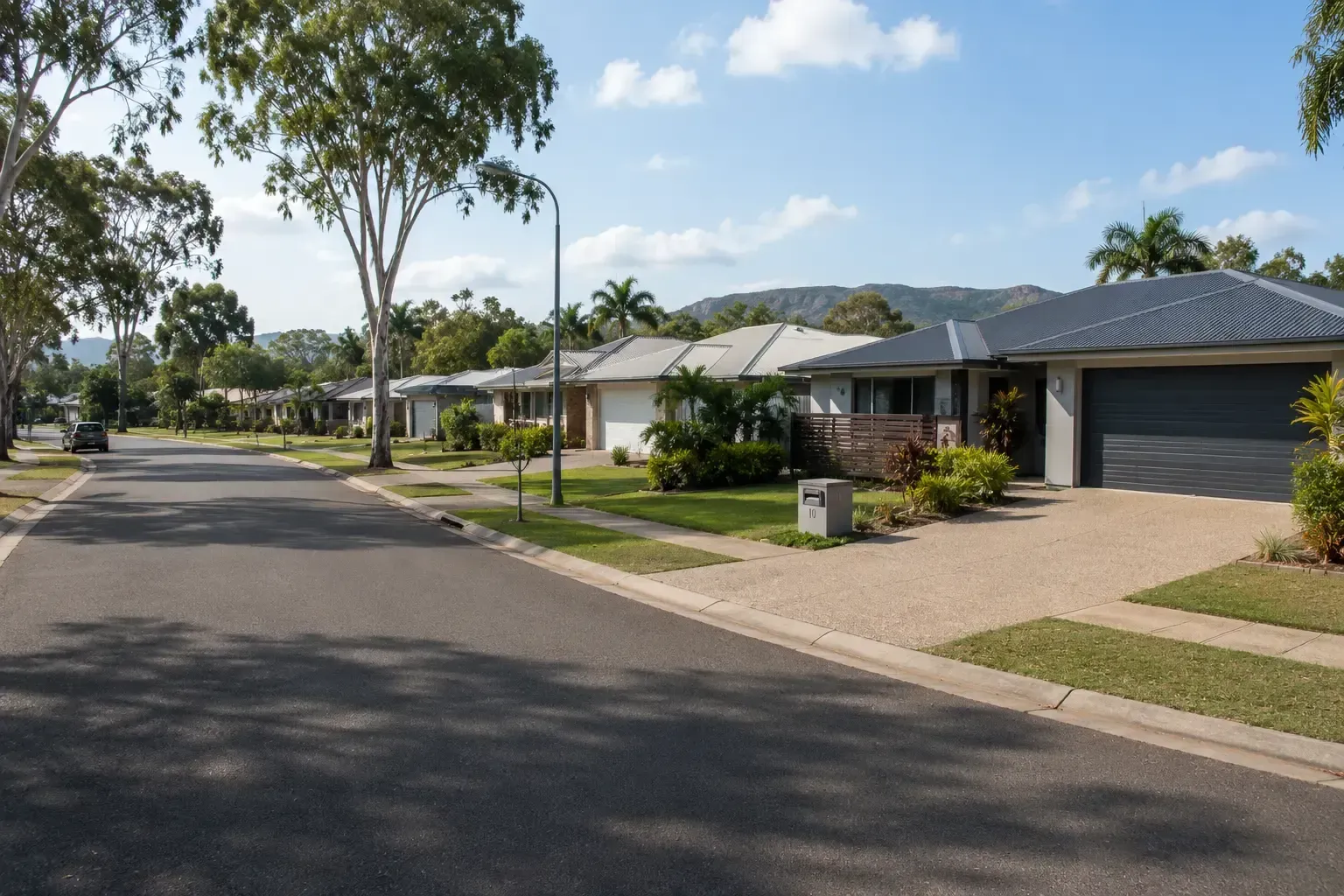
Many homes in Mount Low and Bushland Beach feature double garages and wider frontages, making larger driveways and additional parking increasingly common. In established suburbs such as Annandale and Currajong, replacement projects often involve removing ageing concrete while working around mature landscaping, existing fences and established homes.
Further from town, areas like Bluewater or Alligator Creek frequently have different priorities again, with longer driveways and additional space needed for trailers, boats or work vehicles.
Choosing the Right Finish for Your Driveway
The finish you choose has a significant influence on the overall appearance of your home, but it should also suit the way the driveway will be used. While all concrete driveways are designed for durability, some finishes are better suited to certain property styles or homeowner priorities.
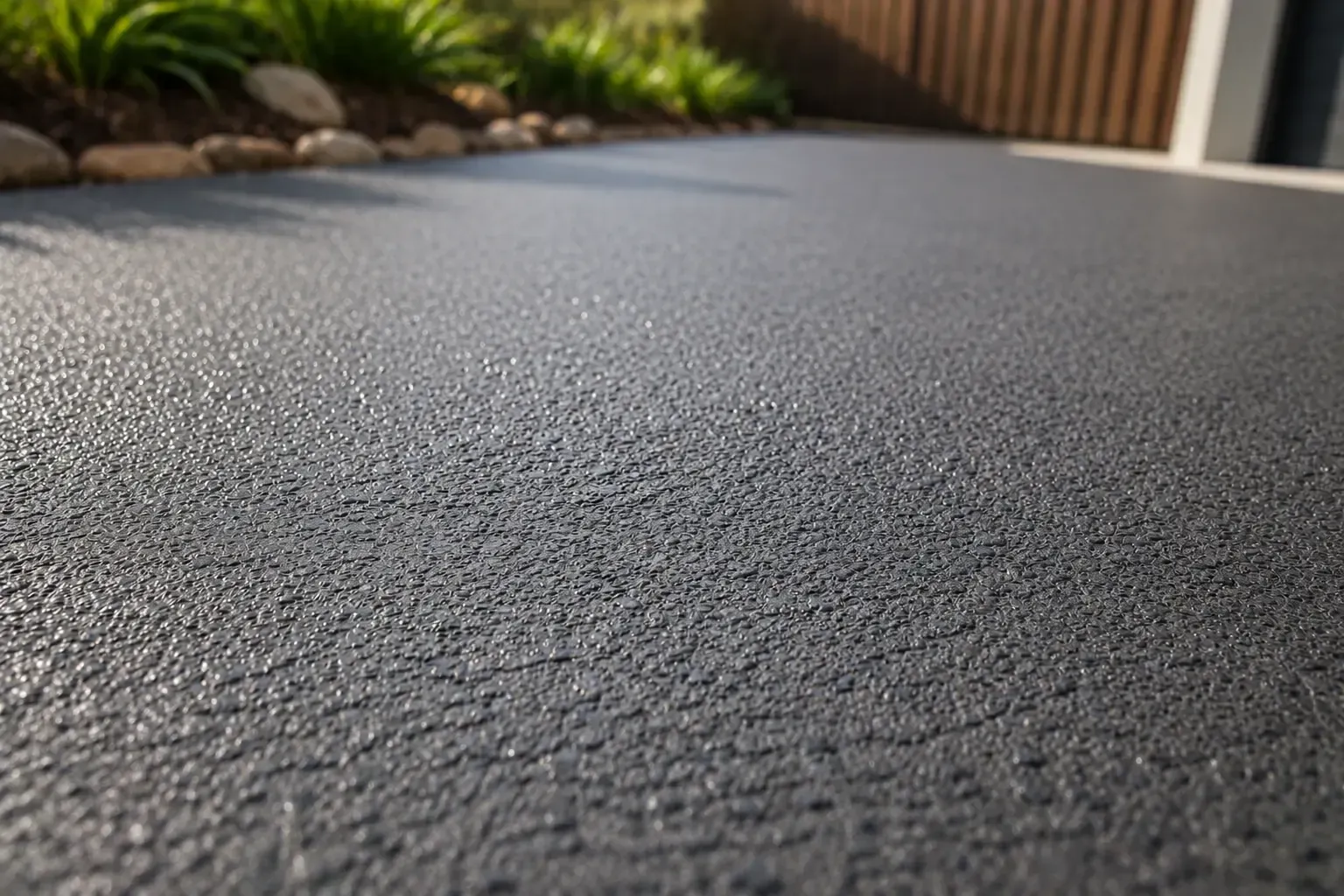
Plain Concrete
Ideal for:
Most homes, investment properties and budget-conscious projects
Benefits:
Clean appearance, durable, easy to maintain
Things to Consider
Minimal decorative appeal
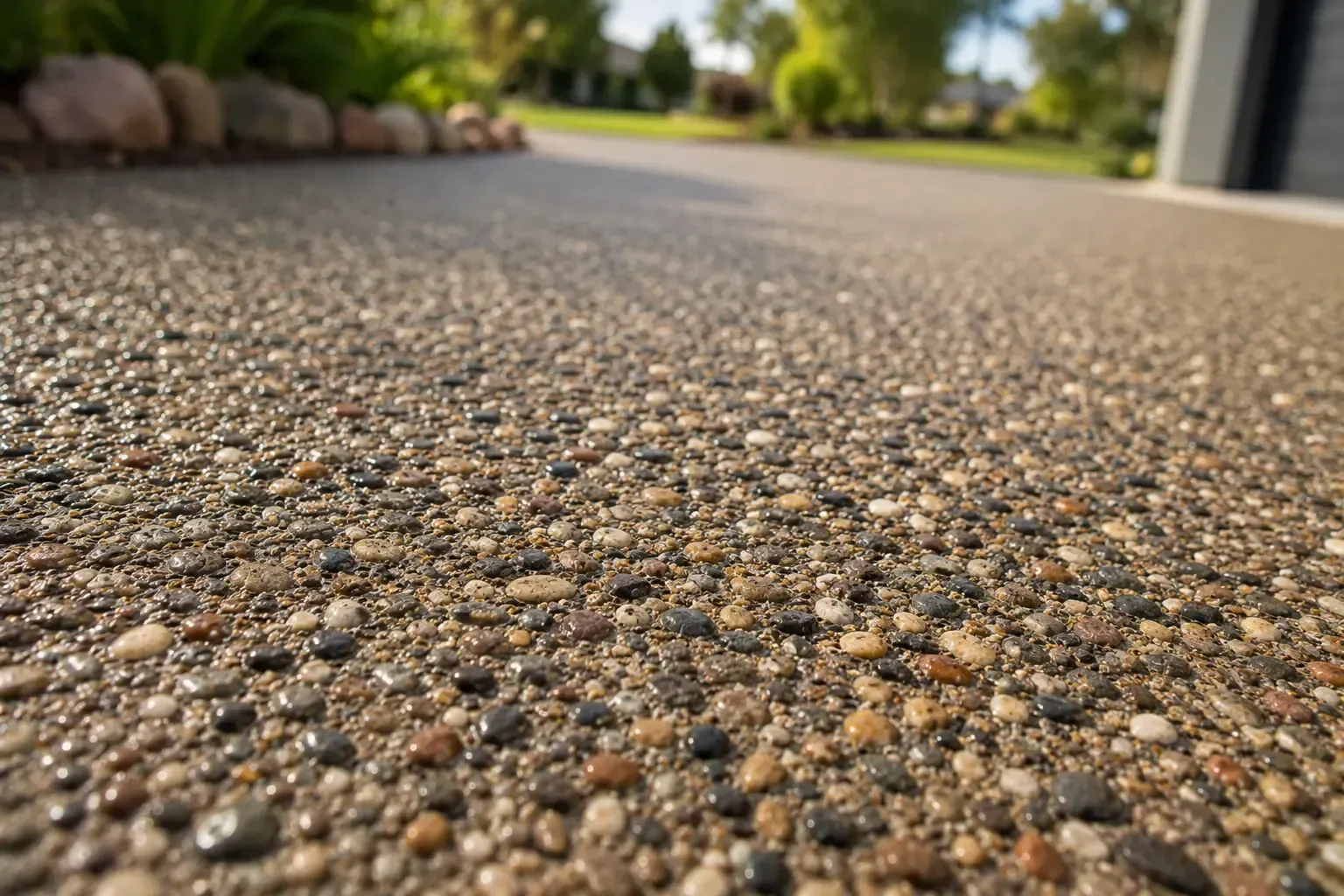
Exposed Aggregate
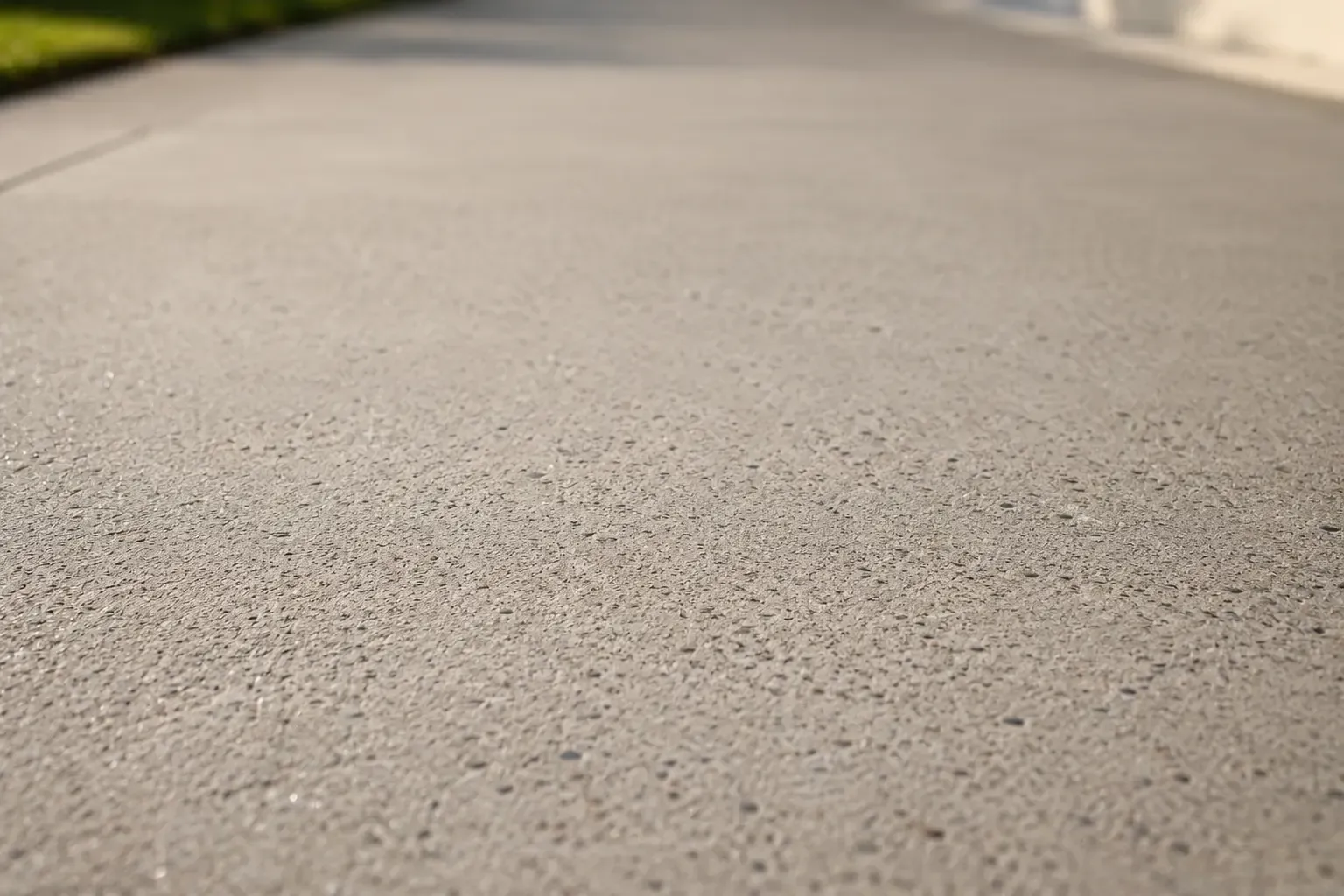
Ideal for:
Premium homes and sloped driveways where extra grip is required
Benefits:
Excellent street appeal, textured finish, good slip resistance
Things to Consider
Higher initial cost than plain concrete
Coloured Concrete
Ideal for:
Contemporary homes
Benefits:
Integrated colour throughout the slab, complements home design
Things to Consider
Colour selection should suit surrounding materials
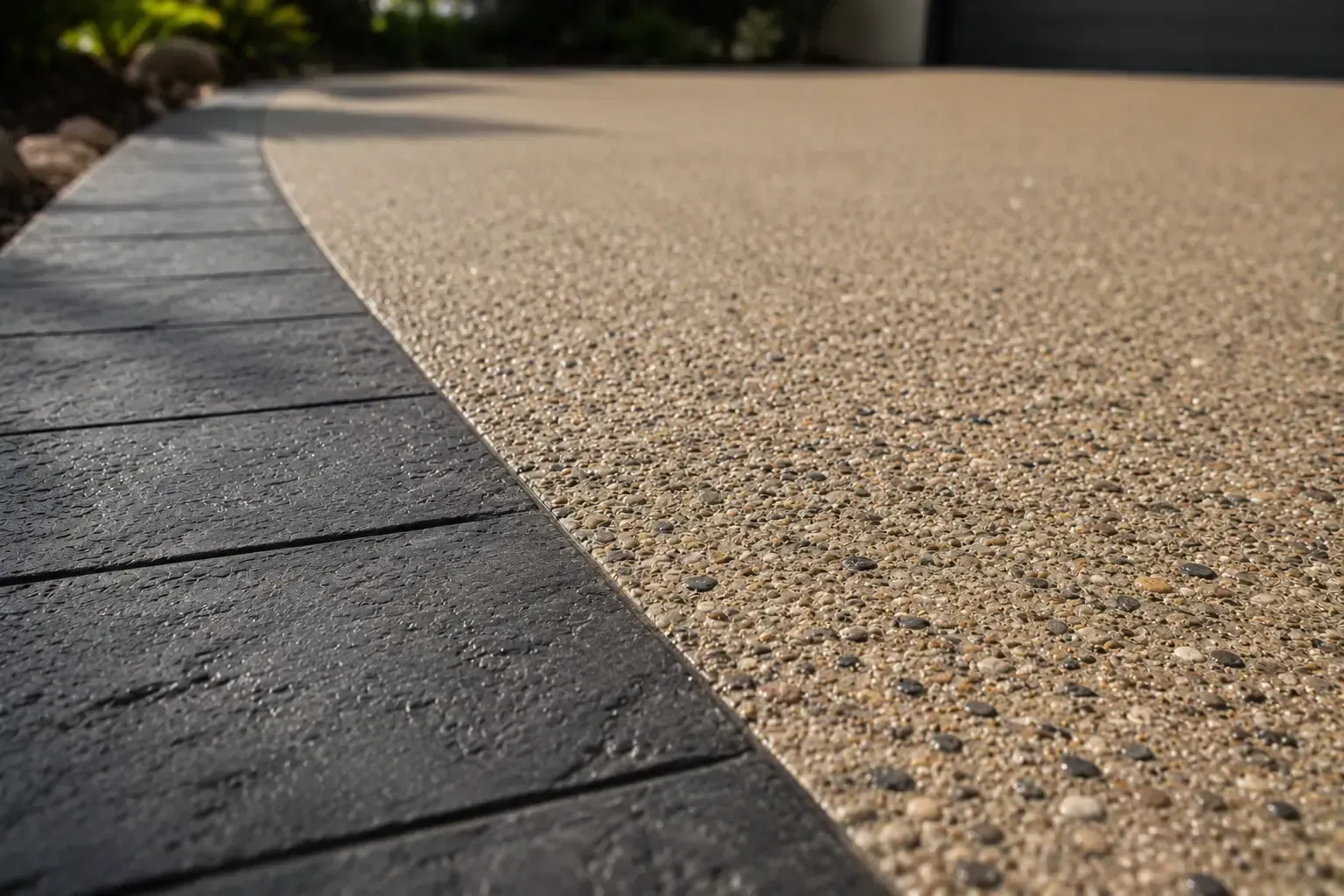
Feature Borders & Bands
Ideal for:
Larger driveways and custom designs
Benefits:
Defines edges, creates visual interest without dominating the driveway
Things to Consider
Best incorporated during the original design
If appearance is your primary focus, our Decorative Concrete page explains these finishes in greater detail, including colours, textures and decorative options for residential properties.
From Planning to Finished Driveway
A quality driveway is the result of good planning long before the concrete truck arrives. Each stage contributes to how the finished driveway performs over the years ahead.
Step 1 – Site Assessment & Design
Every project begins by understanding how the driveway will be used. Vehicle numbers, parking requirements, access to the garage, existing levels and future plans all help determine the most practical layout.
Step 2 – Excavation & Base Preparation
The existing surface is removed where necessary before the driveway area is excavated and prepared.
A stable, well-compacted base is essential because the concrete can only perform as well as the foundation beneath it.
If your project also includes a garage or shed, it's often worth coordinating the work with a new Concrete Slab while site preparation is already underway.
Step 3 – Formwork, Reinforcement & Levels
Formwork establishes the final shape of the driveway while reinforcement helps provide long-term strength.
Before any concrete is placed, the finished levels are checked to ensure water flows away from buildings and the transition between the street, driveway and garage feels natural when driving.
Step 4 – Concrete Placement & Finishing
Once preparation is complete, the concrete is placed, levelled and finished using the selected surface treatment.
Whether the project uses plain concrete or exposed aggregate, careful finishing helps produce a consistent, attractive result.
Step 5 – Curing & Ready for Use
Concrete gains strength as it cures, so allowing adequate time before driving on the new surface helps maximise durability.
Although the driveway may appear finished immediately, patience during this stage contributes to its long-term performance.
Frequently Asked Concrete Driveway Questions
How long before I can drive on a new concrete driveway?
For most residential driveways, it's recommended to wait around seven days before driving on the surface. Concrete continues curing for several weeks, but allowing the first week to pass helps reduce the risk of damaging the new driveway.
Can an existing concrete driveway be widened?
Often it can. If the existing driveway remains structurally sound, additional concrete may be able to be incorporated into the design. Where the original driveway has significant movement or cracking, replacing the entire driveway often produces a better long-term result.
Is exposed aggregate a good choice for driveways?
Yes. Exposed aggregate combines durability with excellent visual appeal and remains one of the most popular choices for Townsville homes. The textured finish also provides additional grip compared to smoother surfaces.
Can a driveway be built on a sloping block?
Yes, provided the gradient and drainage are carefully planned. The objective is to create comfortable vehicle access while ensuring water flows away from buildings rather than collecting on the driveway.
Does a wider driveway add value?
A wider driveway can make a property more practical by improving parking, manoeuvrability and everyday convenience. While every property is different, better vehicle access is often viewed as a value adding improvement by future buyers.
Planning a New Concrete Driveway?
Whether you're replacing ageing concrete, building a new home or improving vehicle access around your property, careful planning is the first step towards a driveway that performs well for years to come.
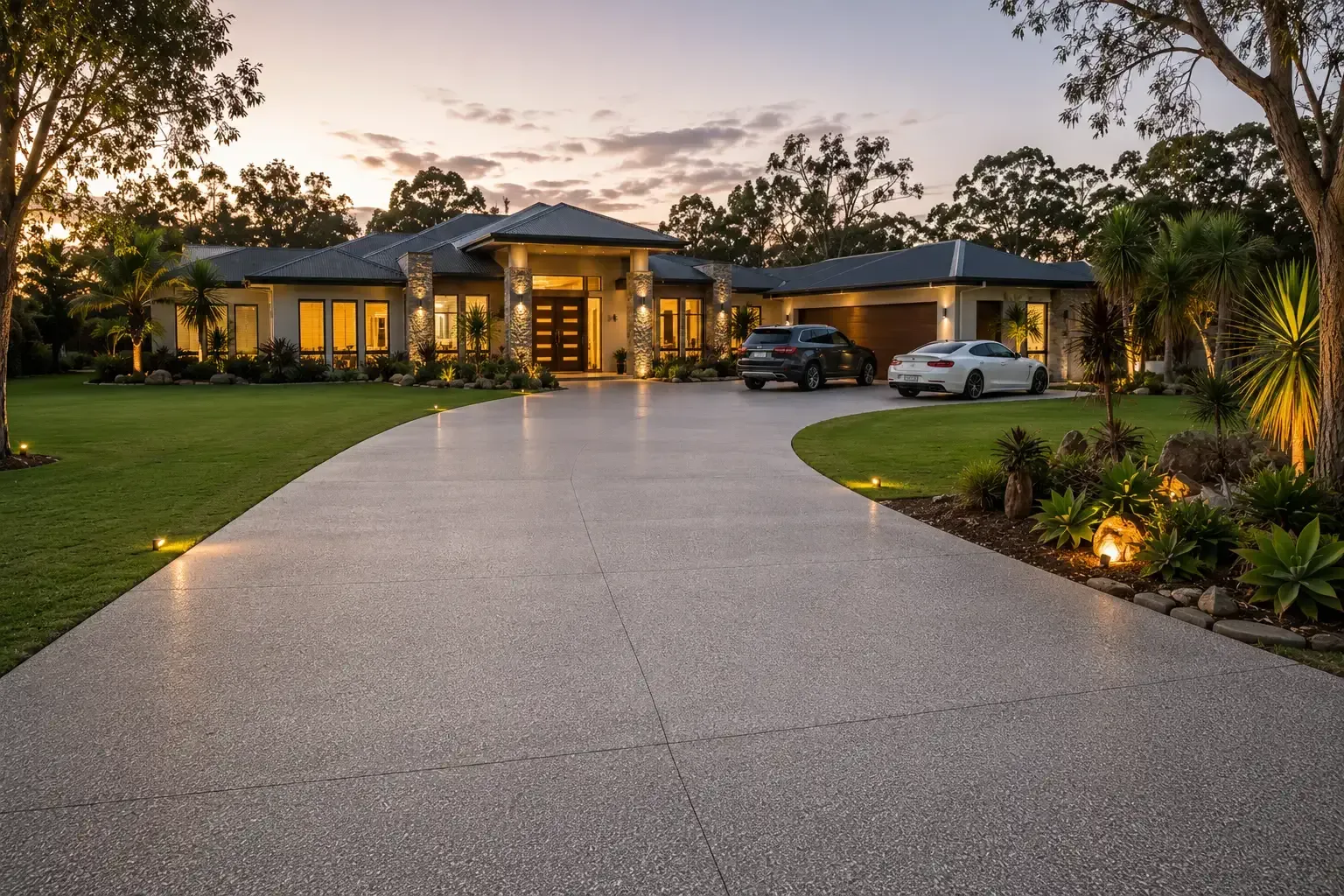
If your project also includes Concrete Paths, Decorative Concrete finishes or a new Concrete Slab, those services can often be planned alongside your driveway to create a cohesive result.
To explore our complete range of concreting services, return to the Townsville Concreters Home Page. You can also visit our Service Areas to see where we work across Greater Townsville before getting in touch through our Contact Us page to arrange a quote.
Contact Us
We will get back to you as soon as possible.
Please try again later.